
Small businesses face a range of risks that could threaten their survival if not properly addressed. While it is rewarding to build something of your own, failing to prepare for the potential of lawsuits or accidents can result in significant setbacks. One critical step to effective protection is understanding options such as general liability coverage, which is foundational to managing risk and helping ensure business continuity.
Every small business owner is responsible for identifying vulnerabilities and shaping a plan to minimize the harm they could face from liability claims. Recognizing these hazards early and investing in risk-reduction strategies can make all the difference between ongoing success and costly interruptions. By taking the right precautions, owners can focus on growth rather than worry about what might go wrong.
The right liability coverage provides a safety net and helps individuals recover if something unexpected occurs. Yet awareness of legal obligations, ongoing employee training, and the creation of clear workplace policies are also central to defending against potential lawsuits. This article explores the most common forms of liability, as well as best practices for protection.
Proper preparation is not just about minimizing financial loss; it is also about preserving your reputation and the trust customers place in your brand. Staying vigilant enables businesses of all sizes to proactively prevent costly mishaps.
Liability risks are varied and can impact businesses in almost any industry. Some of the most prevalent include customer or visitor injuries, product issues, employee mistakes or misconduct, and the threat of data breaches. For example, even a slip on a wet floor in your store can evolve into legal action, and a single defective product could spark multiple lawsuits if it harms a customer. Each scenario can lead to large financial settlements, legal costs, and reputational damage.
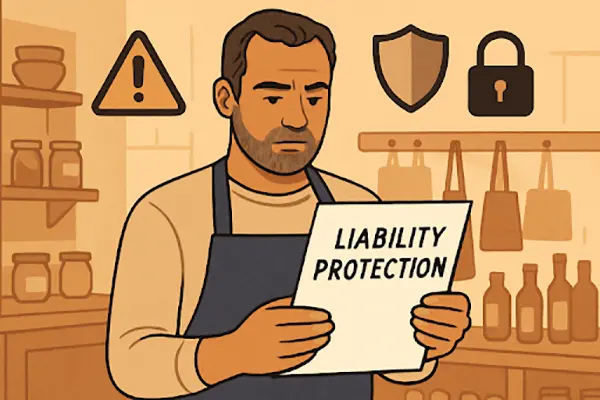
Protection starts with prevention. The most successful small businesses take a proactive stance in reducing liability through a combination of policies, training, and regular evaluation. Comprehensive employee training ensures everyone understands proper safety protocols and company values, reducing the risk of errors or negligence. Clear policies and procedures spell out what is expected and how to respond if things go wrong, while thorough contracts can clarify responsibilities and reduce confusion or disputes.
Business insurance is a vital component of any company’s risk management plan. Core options include general liability coverage, which covers bodily injury, property damage, and libel, and professional liability insurance, which is particularly important for businesses that offer services or advice. As digital operations increase, cyber liability insurance has also become essential to address exposures related to data theft or breaches.
A recent national survey found that while 92 percent of small businesses hold some form of insurance, only 13 percent feel thoroughly prepared to face all the risks they could face. Reviewing policies with a qualified agent can ensure you have the right protection in place.
The changing regulatory landscape means companies need to keep up with evolving standards and requirements. Failing to comply with the law can lead to costly penalties and additional liability. Staying informed about rules affecting your industry, city, or state should be a priority for every business owner. Documenting your compliance efforts and consulting with an attorney will help ensure you remain in good standing and avoid unnecessary legal trouble.
Every small business owner should make liability protection a top priority by building a risk-conscious culture, seeking quality liability coverage, and staying up to date with the law. Addressing these essentials early gives business owners peace of mind, allowing them to focus on growth and innovation with fewer disruptions from unexpected claims or legal actions. Proactive planning, along with partnerships with trusted insurers and legal advisors, is the best formula for securing your company’s future.