
Gut feeling used to run the show in sales, and honestly, it still shows up now and then. We have all seen how we know the pulse of our best customer but cannot articulate their behavior to set precedents. But the real heavy lifting today is done by numbers, not hunches. The best customer acquisition experts aren’t guessing who to chase; they’re letting data point the way, and that’s exactly why their conversions look so much healthier than the rest.
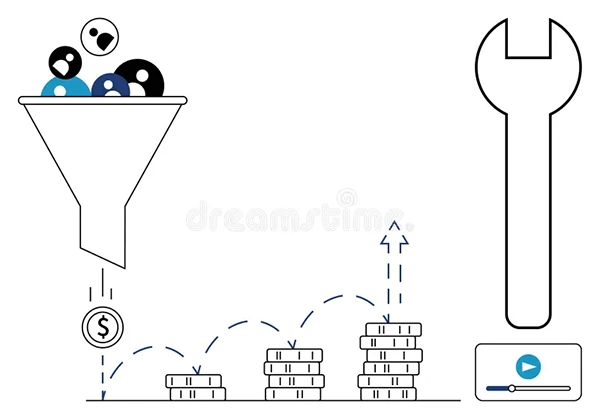
Not every lead deserves equal attention, and that’s just a fact nobody likes saying out loud. Data is used to score leads based on behavior — pages visited, time spent, past interactions — so effort isn’t wasted on someone who was never going to buy anyway. The high-value prospects get spotted early, and energy is redirected there instead of being spread thin.
Here’s where it gets interesting. Do you know that buying patterns are picked up by data long before a rep notices anything unusual? A spike in website visits, a sudden download of pricing info, repeated email opens — these little signals are stitched together to predict intent. It’s less about magic, more about paying attention to what’s already being said through actions.
Cold, one-size-fits-all pitches are being phased out slowly, and for good reason. When data is available, messaging can be shaped around what a specific customer actually cares about. A discount-sensitive shopper is spoken to differently than someone chasing premium quality. This isn’t guesswork anymore — it’s informed targeting, and it converts far better than a blanket approach ever could.
Instead of assuming a headline works or a CTA button should be red instead of blue, it’s tested. A/B testing is run constantly by acquisition experts, and small tweaks are made based on what the numbers actually show, not what feels right in a meeting room. Over time, these tiny wins stack up into a noticeably better conversion rate.
Every channel doesn’t perform the same, and that’s obvious once the numbers are pulled. Some campaigns bring cheap leads that never convert, while others bring fewer leads that close beautifully. Budgets are shifted toward what’s actually working, and vanity metrics like impressions are pushed aside in favor of what genuinely drives revenue.
A funnel isn’t set up and forgotten — it’s tracked at every stage. Drop-off points are identified quickly, and instead of blaming the whole strategy, the exact leak is found and patched. This kind of precision is only possible because data is being reviewed constantly, not occasionally.
At the end of the day, instinct still has its place, but it’s data that’s doing the quiet, unglamorous work behind every strong conversion number. Decisions are made faster, mistakes are caught earlier, and resources are used where they actually matter. That’s the real edge — not louder marketing, just smarter, better-informed choices made consistently.