We all know the dream. A world powered by the gentle, abundant hum of the sun. Rooftops glitter with sleek, dark panels, silently turning photons into power, and we all breathe a little easier, knowing we’re doing our part. World peace might be a stretch, but planetary peace? That feels within reach.
But here’s the rub: sometimes, in our rush to fix one problem, we end up creating another. We find brilliantly diabolical ways to burn the candle from not just two ends, but we make multiple insertions at its very core, lighting wicks that threaten to consume the very solution we’re building to tackle the climate change and energy crisis.
Take the electric vehicle revolution, for instance, powered by massive lithium batteries. The extraction process for that lithium is a brutal paradox—it guzzles staggering amounts of water and energy, often in ecologically sensitive areas, leaving a scarred landscape in its wake. It can feel like the end is no longer justifying the means. It’s a stark reminder that a single piece of technology, no matter how green it seems, is only as sustainable as the entire system that supports it.
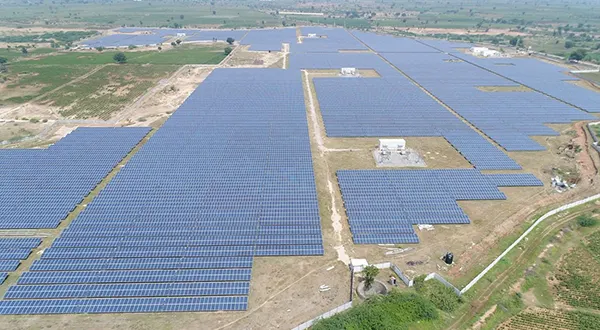
This brings us to solar energy. When we think “solar,” we instinctively picture the panels. They’re the glamorous stars of the show, the part that soaks up the sun. But a solar array is an ecosystem that includes robust solar power cables. It’s a symphony of components working in concert, and the sustainability of the whole performance depends on the durability of every single instrument. Ignore one, and the entire melody of green energy can fall out of tune.
So, let’s pull back the curtain and look at the unsung heroes, the components that truly determine if your solar system is a fleeting gesture or a lasting legacy.
Think of your solar panels as diligent workers collecting raw materials (sunlight). An inverter is the factory boss, converting that raw material into something usable (AC electricity). But between them? A vast, intricate network of pathways that carry the precious goods. This is the circulatory system of your solar array: the cables.
These aren’t your average extension cords. They are the lifelines, and their quality, resilience, and longevity are what make the difference between a system that lasts for decades and one that becomes electronic waste in a frighteningly short time.
A cheap, poorly made cable might save a few dollars on installation, but it’s a classic example of being penny-wise and pound-foolish. Imagine a cable that becomes brittle under the sun’s relentless UV assault, its insulation cracking after just a few summers. Or one that can’t handle the dramatic temperature swings from a frosty morning to a scorching afternoon, becoming stiff and unreliable. Now, imagine that cable, damaged and exposed, hidden on your roof or buried just underground. The efficiency of your entire system plummets as resistance builds up. At best, you’re losing the precious power you paid for. At worst, it becomes a fire hazard.
This is the opposite of sustainable. A failure in the wiring can compromise an entire array of perfectly good panels, leading to premature replacements, costly repairs, and a needless addition to a landfill. It undermines the very environmental benefits we’re striving for.
So, what separates a superhero cable from a feeble one? It’s built for a life of extreme outdoor service. When you’re specifying or installing a system, the cables should be the undisputed champions of durability. Here’s what that looks like in practice:
Investing in components with these features isn’t an upsell; it’s the bedrock of a truly sustainable system. It ensures that the energy flowing from your panels to your home is doing so with maximum efficiency and, more importantly, maximum safety for decades. It means your system won’t need a costly rewiring job in eight years, saving you money and preventing a heap of waste.
True sustainability in energy isn’t just about how clean the power is today; it’s about how clean the entire system remains over its entire lifespan. It’s about the embodied energy—all the water, materials, and fossil fuels used to manufacture and transport every component—being justified by decades of flawless service.
A high-quality solar panel that lasts 30+ years is a marvel of modern engineering. But its green credentials are instantly nullified if it’s connected by a network of cables that fail in ten. By choosing durability at every single step—from the panels and inverters right down to the connectors and the cables that tie it all together—we aren’t just building a power system.
We’re building a legacy. We’re ensuring that the means are as justified as the end, and that the candle of innovation burns bright and long, without burning our planet at both ends.